Microbiome sequencing empowers scientific and clinical communities to dissect entire microbial communities through targeted (e.g., 16S rRNA gene) and untargeted (shotgun metagenomics) sequencing approaches. Over the last decade, advances in next generation sequencing (NGS) technologies, optimized DNA extraction, and robust bioinformatic analysis have transformed the study of microbial diversity, linking shifts in the human gut microbiome, environmental samples, and industrial fermentations to measurable impacts on health, sustainability, and product innovation.
This blog surveys the real-world microbiome sequencing use cases powering research, diagnostics, and commercial development for a diverse range of stakeholders.
Defining Microbiome Sequencing: Methods & Significance
Microbiome sequencing refers to the process of identifying and quantifying the microorganisms: bacteria, archaea, fungi, and eukaryotic microorganisms within a sample by analyzing their nucleic acids using next generation sequencing. The three most common methodologies are:
- 16S rRNA Gene Sequencing: Targets the highly conserved 16S ribosomal RNA gene in bacteria and archaea. Amplicon sequencing of hypervariable regions allows for taxonomic classification of bacterial species and genera within diverse samples. It is cost-effective for high-throughput detection but offers limited functional or strain-level resolution.
- Whole-Genome Shotgun Metagenomics: Sequences all genomic DNA (metagenomic DNA) from entire microbial communities. This approach enables taxonomic classification, functional gene analysis, and detection of horizontal gene transfer, antibiotic resistance genes, and non-bacterial taxa. It offers species- and sometimes strain-level characterisation of microbial communities.
- Targeted Gene Panels and ITS Sequencing: Targets distinct genes or genetic regions, such as ITS for fungi or 18S rRNA for eukaryotes. These panels broaden detection to non-bacterial microorganisms and offer solutions for environments dominated by fungi or protists.
The critical role of microbial community profiling includes:
- Enabling basic biomedical research on the human microbiome and chronic diseases.
- Supporting environmental monitoring by mapping microbial diversity in soil, water, and wastewater.
- Optimizing product development in the food, cosmetic, pharmaceutical, and industrial bioprocessing sectors by leveraging microbial genomics and monitoring microbial cells throughout the process.
A broad spectrum of industries: clinical laboratories, agriculture, aquaculture, pharma, consumer products, and environmental agencies use microbial sequencing to address regulatory, safety, efficacy, and sustainability challenges.
10 Microbiome Sequencing Use Cases & Applications
Clinical and Medical Applications
Human Health Microbiome Research
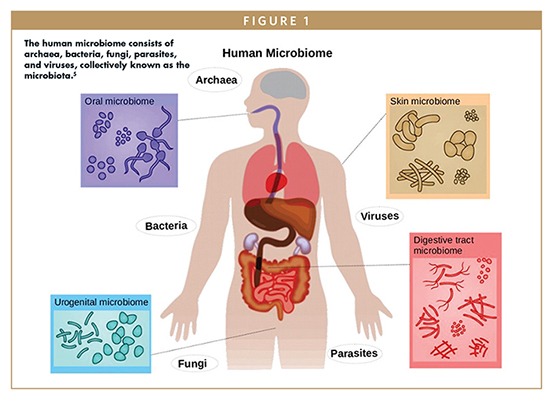
Profiling of gut, oral, vaginal, skin, and other human microbiome sites through high-throughput amplicon sequencing and metagenomic shotgun sequencing clarifies the association between microbial community composition and disease states such as inflammatory bowel disease (IBD), irritable bowel syndrome (IBS), autoimmune disease, obesity, diabetes, and mental health disorders.
- Gut microbiome research allows for early diagnosis, disease stratification, and management of gastrointestinal and metabolic disorders. Microbiome data also inform the development and personalization of new therapeutics including pharmacomicrobiomics applications that predict individual drug responses and adverse events.
- Live biotherapeutic products, fecal microbiota transplantation, and precision probiotics are fast-growing modalities grounded in sequencing data for patient selection and efficacy monitoring.
- Microbiome-based studies now support the stratification of clinical trial participants, improve diagnostic coverage, and enable monitoring of complex microbial behavior across diverse hosts.

Cancer Microbiome and Immuno-Oncology
- Microbiota signatures influence responses to checkpoint inhibitors and other immunotherapies by modulating host immunity.
- Gut microbiome sequencing helps predict chemotherapy efficacy and toxicity and facilitates the discovery of biomarkers that stratify cancer patients for optimal regimens.
Oral Microbiome Studies & Diagnostics
- Oral microbiome profiling is linked to systemic diseases, including cardiovascular conditions and diabetes.
- Non-invasive salivary microbiome sequencing supports early diagnostics for periodontitis, oral cancers, and broader health assessments.
Skin Microbiome in Personal Care & Dermatology
- Sequencing-based profiling reveals site-specific diversity of microbial communities and informs the development of skin products for dermatitis, acne, psoriasis, and barrier repair.
- Companies integrate sequencing and bioinformatics to optimize product formulations and demonstrate efficacy for regulatory and marketing purposes.
Pharmaceutical and Biotech Research
Microbiome sequencing enables pharmaceutical researchers to uncover new microbial biomarkers, identify novel drug targets, characterize antibiotic resistance genes, and deepen insights into host-microbiome interactions. Whole-genome shotgun metagenomics data help screen for unique microbial gene clusters, and inform co-clinical models that stratify clinical trial cohorts based on microbiome profiles. As a result, drug discovery, patient safety, and regulatory oversight become more data-driven and precise.

Food, Nutrition and Probiotic Development
Metagenomic and amplicon sequencing have revolutionized food and probiotic research. Companies can now design more effective dietary interventions and personalized nutrition strategies based on gut microbiome signatures. Microbial DNA analysis supports evidence-based assessment of probiotic, prebiotic, and fermented food efficacy, linking dietary fiber and specific foods to measurable shifts in gut microbiota and host metabolic outcomes.
Agricultural and Environmental Applications
- Microbiome sequencing of soil and plant-associated communities supports sustainable agricultural practices, helping improve crop yield, pest resistance, and fertilizer efficiency.
- Sequencing-based monitoring in livestock detects resistance genes and harmful shifts in gut flora, promoting healthier growth, reduced antibiotic use, and better disease management.
- Environmental sequencing, including wastewater monitoring, helps track ecosystem health, manage bioremediation efforts, and reduce the impact of antibiotic residues and resistant bacteria.
Agricultural Microbiome Research
Animal Health: Livestock & Companion Animals
Microbial genomics in livestock informs breeding, antimicrobial interventions, and disease management. Companion animal research using 16S and shotgun metagenomics advances oral, gut, and skin health monitoring, informs new probiotic and prebiotic developments, and underpins next-generation veterinary diagnostics.
Aquaculture Research Applications
Host-associated (gut, gill, skin) and environmental (biofilters, water) microbiome sequencing drives improvements in fish and shellfish immunity, growth performance, feed formulation, pathogen surveillance, and sustainable water quality management. DNA sequencing supports real-time detection of pathogenic bacteria and strategic reduction of antibiotic use.
Aquaculture Microbiome Research
Industrial and Consumer Product Applications
Microbial community profiling enables:
- Development of prebiotic, probiotic, and synbiotic consumer products for personal care and nutrition
- Enhanced food safety and cleaning product validation through rigorous monitoring of entire microbial communities
- Optimization and quality control of fermentation-based processes in brewing, dairy, and alternative protein production.
Future Directions in Microbiome Sequencing
The field is moving quickly. New platforms now combine real-time sequencing (including long-read nanopore technology), artificial intelligence, and advanced bioinformatic analysis to deliver more robust, instant microbiome data.
Integrated solutions allow researchers and industry teams to explore both functional and taxonomic classification of multiple strains from a single sample. This has expanded the use cases for clinical microbiology, product R&D, environmental monitoring, and the application of microbiome data in precision health programs.
Cmbio’s Microbiome Sequencing Capabilities
Cmbio delivers state-of-the-art GxP-certified, regulatory-compliant microbiome sequencing and omics solutions for human, animal, and environmental research, integrating next generation and whole genome sequencing methodologies, high-quality DNA extraction, and cloud-based bioinformatic analysis all designed to deliver actionable, publication-ready data and facilitate translational research and product development.
For project design, method selection, and sequencing service inquiries, explore:
- Human Health & Gut Microbiome Research
- Oral Microbiome Research
- Skin Microbiome Research
- Agricultural Microbiome Research
- Aquaculture Microbiome Research
At Cmbio, we work hard to help you make the most of your research and truly unlock the power of the microbiome.
Contact Us Today
FAQs
What are complex microbial communities and why are they important in microbiome analysis?
Complex microbial communities refer to the diverse mixtures of bacteria, archaea, fungi, and other microorganisms found in various environments such as the human gut, skin, soil, and aquatic systems. These communities play critical roles in health, disease, and ecosystem function, and microbiome analysis uses advanced sequencing techniques to profile their structure, dynamics, and functional capabilities within microbiome samples and clinical material.
How does metagenomic sequencing enhance the study of bacterial communities in microbiome samples?
Metagenomic sequencing enables comprehensive analysis by capturing the genetic material of all organisms present in a microbiome sample, including hard-to-culture bacterial species and their functional genes. This allows researchers to go beyond traditional methods, gaining deep insights into the diversity, abundance, and genetic potential of entire bacterial communities involved in health, disease, and industrial processes.
What role does data analysis play in interpreting microbiome sequencing results?
Robust data analysis is essential for translating raw sequencing data into meaningful biological insights. Specialized bioinformatics workflows enable taxonomic classification of complex microbial communities, detection of genetic variation, and comparative assessment of bacterial genera across microbiome samples. Advanced tools help identify clinically relevant signatures and guide further research, diagnostics, and interventions.
Manoj Dadlani