 Manoj Dadlani
Do All Animals Have a Microbiome? A Research Guide
 Manoj Dadlani : Oct 9, 2025, 5:59:44 AM
Do all animals have a microbiome? Explore the research, sequencing methods, and key species comparisons in this guide.
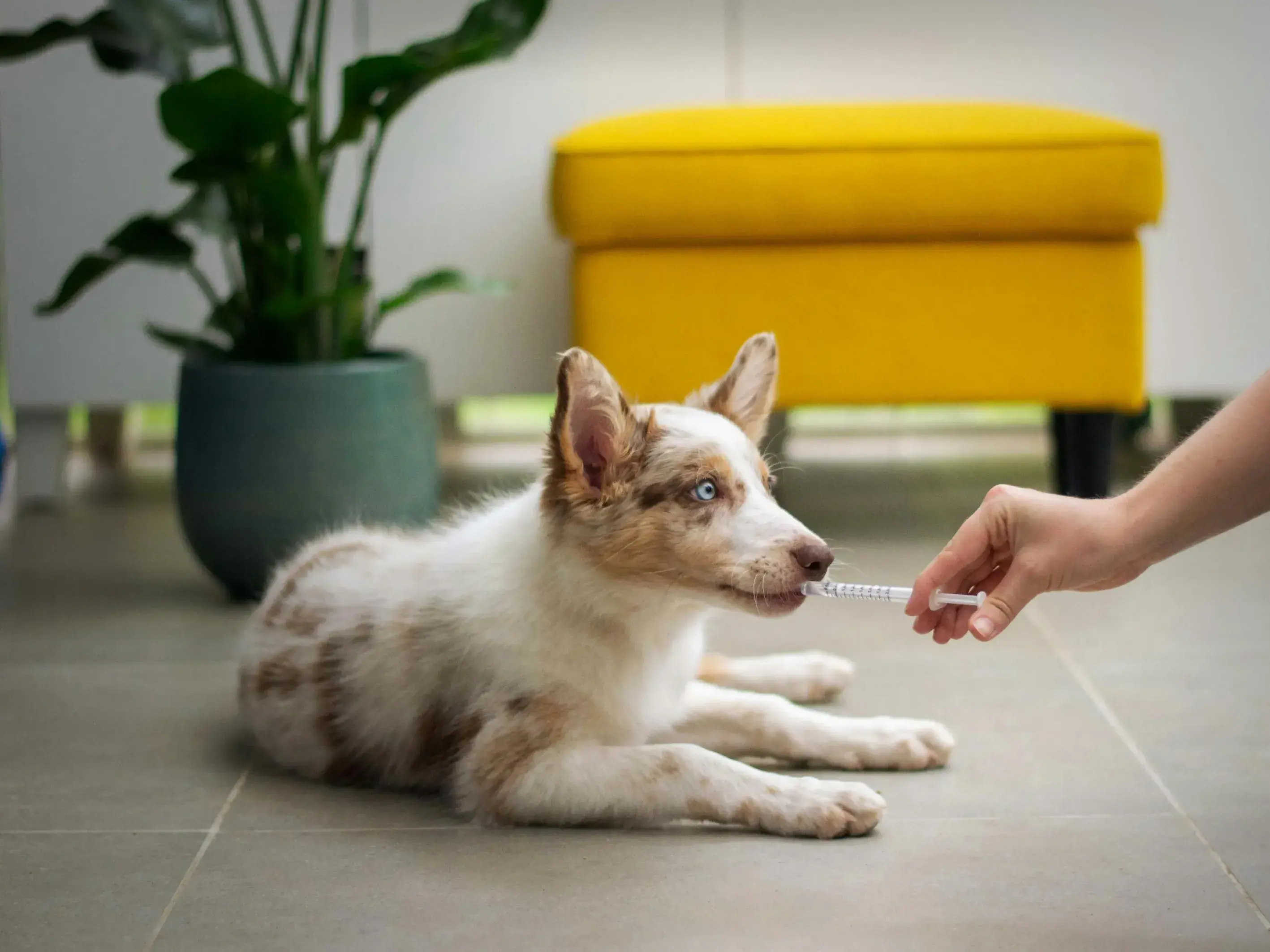
Animal microbiome sequencing is revolutionising our understanding and management of animal health. By exploring the complex microbial ecosystems within animals, researchers can gain significant insights into disease resistance and nutritional needs. This exploration opens new pathways for enhancing livestock productivity and improving the well-being of companion animals.
This article examines cutting-edge developments in microbiome applications, focusing on livestock and pets, while showcasing how Cmbio's specialised sequencing and bioinformatics services provide invaluable support to researchers and industry professionals. With these advancements, the potential for optimising animal health practices is substantial, particularly through the comprehensive understanding of animal microbiomes, including the important role of diverse microbial communities in maintaining health.
Unlock Animal Microbiome Research with Cmbio
Animal microbiome sequencing involves using advanced sequencing technologies to explore the diversity of microorganisms living within animals. This process is crucial for understanding the intricate relationships between these microorganisms and their host animals, impacting health and disease resistance significantly. It also plays a role in understanding how farm animals contribute to broader ecosystem dynamics.
Microbiome sequencing has opened new avenues in personalised medicine for animals, much like its impact on human health. As technology evolves, its applications are expected to expand, offering even more sophisticated tools for animal health management, such as faecal microbiota transplantation. This technique, already used in human medicine, could potentially be adapted for animals to restore healthy microbiomes in cases of dysbiosis or other microbial imbalances. The role of bacteria in these processes is critical.
Livestock microbiome applications have made significant strides in improving disease resistance and overall health management.
For instance, a study on dairy cows showed that manipulating the rumen microbiome could enhance milk production and quality. By introducing specific probiotics, researchers observed improved digestion and nutrient uptake, translating into higher milk yields and better fat content. Such findings highlight the potential for livestock microbiome applications to transform farming, offering both environmental and economic advantages.
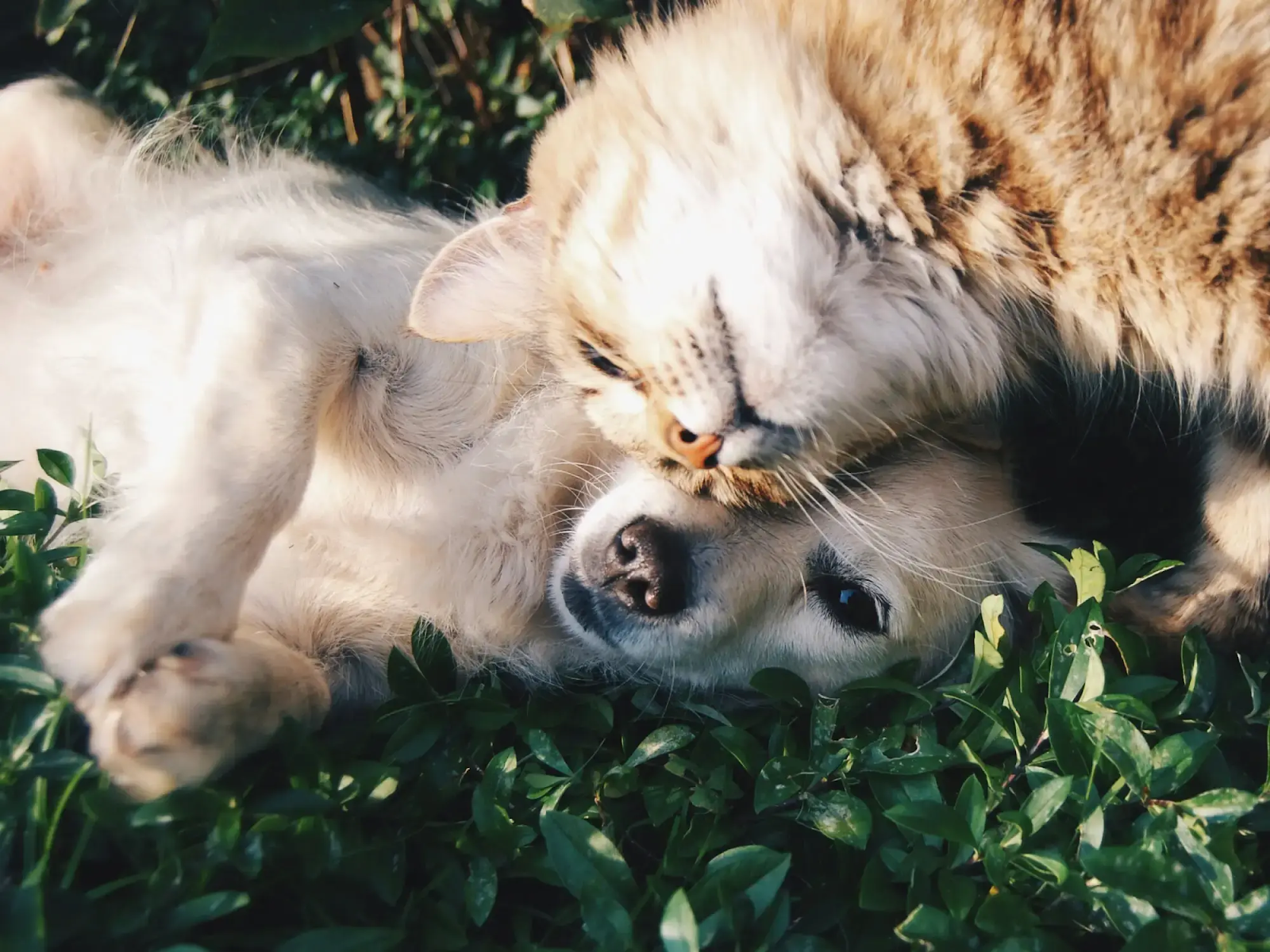
Companion animal microbiome research is increasingly informing veterinary practices and contributing to pets' overall well-being.
A notable example is a study on dogs suffering from chronic diarrhoea, where specific microbiome-targeted therapies significantly improved gut health and reduced symptoms. By introducing a targeted probiotics regimen and dietary adjustments, the dogs' gut flora was restored to a healthier state. This not only alleviated the immediate symptoms but also contributed to a longer-term improvement in the dogs' overall health and vitality.
Bioinformatics tools are indispensable in interpreting genomic data, crucial for advancing microbiome research.
Through advanced bioinformatics platforms, Cmbio provides comprehensive data interpretation, critical for translating genomic information into actionable insights. These services enable researchers and veterinarians to make informed decisions, driving advancements in animal health care.
Microbiome research is poised for diverse applications and future advancements.
The future holds potential for personalised nutrition plans based on an animal's unique microbiome profile, revolutionising animal nutrition and leading to optimised health and performance outcomes. Additionally, new microbiome-based diagnostics could offer rapid and accurate health assessments, further integrating microbiome science into everyday veterinary practice. These advancements promise to transform how we care for animals, offering more precise and effective health management strategies.
|
Aspect |
Livestock Microbiome Applications |
Companion Animal Microbiome Research |
|
Applications |
Disease resistance, nutrition |
Veterinary practices, health |
|
Techniques |
Metagenomics, probiotics |
Health monitoring, case studies |
|
Economic Impact |
High |
Moderate |
Animal microbiome sequencing offers a comprehensive look into how microbial communities influence health and disease in animals, providing valuable insights for both livestock and companion animals.
Animal microbiome research is transforming the way veterinarians, farmers, and researchers understand and manage animal health. By uncovering the hidden dynamics of microbial communities, professionals can develop smarter, data-driven strategies for disease prevention, nutrition optimization, and overall well-being across both livestock and companion animals.
Animal microbiome sequencing is a method that uses advanced DNA sequencing technologies to identify and analyze the microorganisms living in and on animals, including bacteria, fungi, and other microbial species. By reading microbial genetic material, scientists can characterize community structure, track changes over time, and link specific microbes to health, performance, or illness in different animal hosts. This type of scientific research helps explain the importance of microbial ecosystems and supports more targeted interventions across veterinary and agricultural settings.
Microbiome research allows experts to analyze how gut microbes influence digestion, immunity, and resilience, supporting better feed formulation, probiotic use, and reduced dependence on antibiotics in livestock. By understanding these microbial interactions, scientists can design microbiome-based strategies that enhance disease resistance, support growth, and improve welfare, helping committed producers manage herd health more precisely and sustainably.
In dogs, cats, and other pets, microbiome insights guide personalised nutrition, probiotic therapies, and advanced interventions such as fecal microbiota transplantation to help restore microbial balance in chronic digestive or inflammatory conditions. Ongoing scientific research in companion animal microbiomes enables veterinarians to use microbiome profiles as health indicators, refine treatments, and highlight the importance of early, targeted care to prevent or manage illness more effectively.
 Manoj Dadlani : Oct 9, 2025, 5:59:44 AM
Do all animals have a microbiome? Explore the research, sequencing methods, and key species comparisons in this guide.
 Manoj Dadlani : Jul 21, 2025, 5:49:15 AM
Explore how the gut microbiome influences animal health and wellbeing in this research guide. Read today.
 Manoj Dadlani : Mar 24, 2025, 3:05:51 PM
Learn about the skin microbiome, its impact on skin health, immunity, and disease, and how microbes help protect and balance your skin.