 Manoj Dadlani
Agricultural Productivity: Soil Analysis Benefits
 Manoj Dadlani : Jul 30, 2026, 5:51:58 AM
Unlock the power of soil with agricultural yield microbiome sequencing. Boost crop productivity by understanding microbial communities. Explore now!
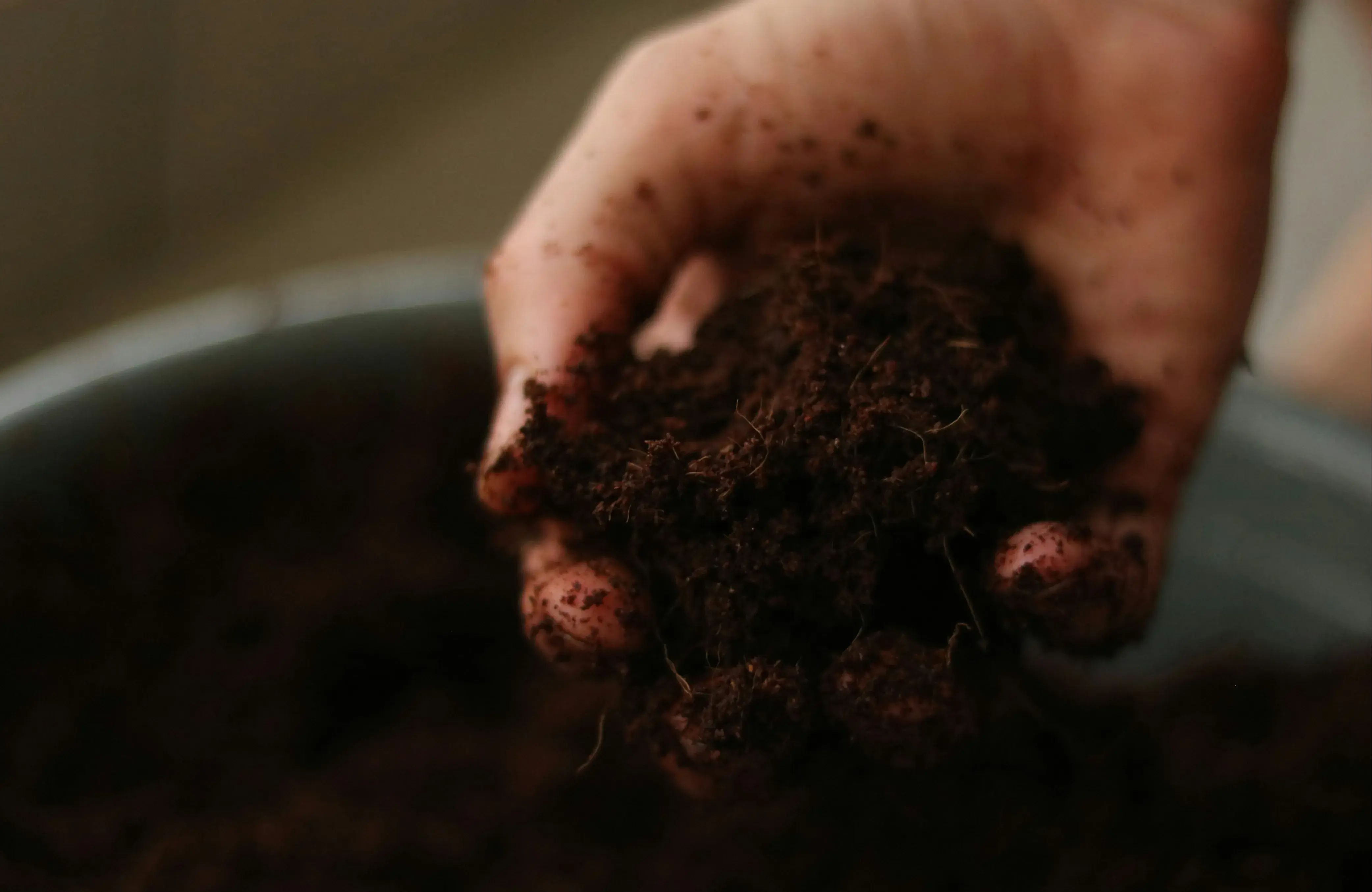
The complex relationship between soil health and crop yield is increasingly understood through the lens of the agricultural microbiome. As the global demand for food surges, innovative practices are essential to ensure sustainable productivity. Microbiome sequencing is at the forefront of this agricultural transformation, offering detailed insights into the microbial communities that are fundamental to soil ecosystems. By leveraging these advanced technologies, we can address the pressing need for increased food production while maintaining environmental sustainability.
Microbiome research is crucial as it offers pathways to improved agricultural outcomes through precision farming techniques. This involves tailoring interventions based on microbial activity, which can lead to significant reductions in chemical inputs and environmental impact. The exploration of plant-microbe interactions and the application of genomic tools are paving the way for more resilient and productive farming systems. As we delve into the intricacies of the agricultural microbiome, the potential for transformative advancements in crop management and soil health becomes evident.
Unlock Soil Health Microbiome Research with Cmbio
Agricultural microbiome sequencing is transforming how farmers manage soil health and crop yields. At its core, microbiome sequencing involves analyzing the DNA of microbial communities present in the soil. This process enables precision agriculture by providing detailed insights into nutrient cycling and pathogen suppression.
Soil health is intrinsically linked to microbial diversity, which plays a crucial role in sustainable agriculture. By exploring the soil microbiome, we gain insights into better agroecosystem management and plant-microbe interactions.
A practical example is the use of biochar, which has been shown to enrich microbial diversity, leading to healthier soils and enhanced crop growth. Biochar acts as a habitat for soil microbes, increasing their abundance and diversity, which in turn improves soil fertility and plant productivity.
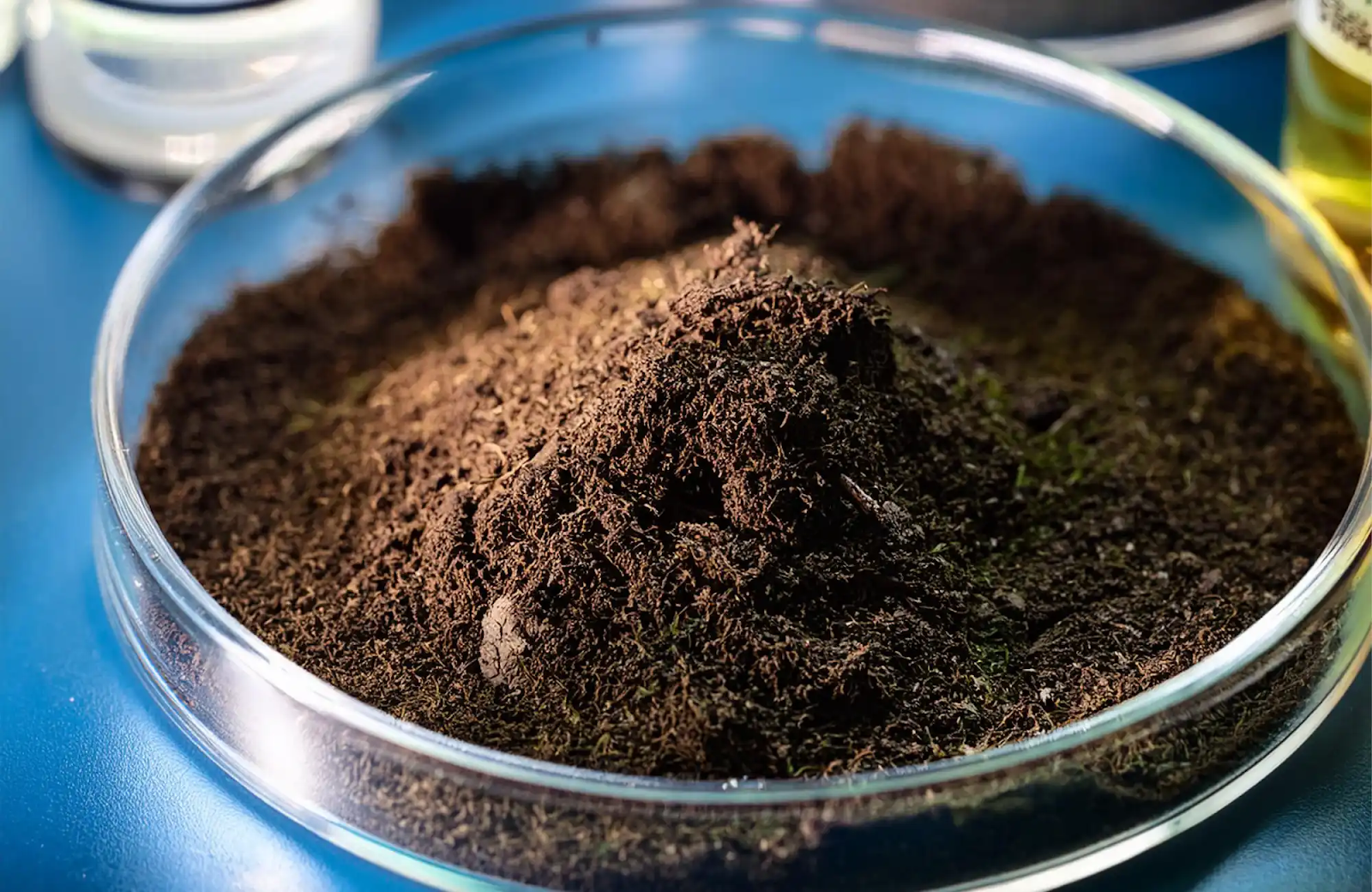
The agricultural microbiome significantly influences crop yields. By leveraging microbial sequencing, farmers can adopt targeted interventions and sustainable practices that enhance productivity.
Genomic tools and bioinformatics are indispensable for processing sequencing data, offering insights into microbial ecology and advancing agricultural research.
|
Traditional Methods |
Modern Sequencing Methods |
|
Labor-intensive |
Automated and scalable |
|
Limited scope |
Comprehensive analysis |
|
Time-consuming |
Rapid and efficient |
Technologies like metagenomic MAG pipelines and long read amplicon profilers are pivotal in analyzing sequencing data, allowing for functional microbiome analysis and better agroecosystem management. These tools enable researchers to identify key microbial species and their functions, facilitating the development of targeted interventions to improve soil health and crop productivity. Understanding the taxonomic composition of soil microbes is essential for effective soil management.
Microbiome research offers vast potential for climate-resilient farming and policy-making. Sustainable agriculture increasingly relies on soil microbiomes to enhance environmental benefits and drive policy impacts.
Cmbio is actively advancing these applications through its comprehensive service portfolio, offering solutions that are scientific, precise, and innovative. By partnering with researchers and Bioscience companies, Cmbio contributes to the development of cutting-edge technologies and practices that enhance agricultural sustainability.
The integration of microbiome sequencing is reshaping agricultural practices by enhancing our understanding of soil health and crop productivity. Here's a summary of the key points:
Incorporating regular soil testing into your agricultural routine is a proactive step toward achieving higher yields, cost savings, and environmental stewardship. Embrace this practice to cultivate a more productive and sustainable farming future.
At Cmbio, we specialize in advanced soil microbiome analysis and agriculture microbiome testing, providing insights that drive sustainable agricultural practices. Our services help farmers enhance soil health, optimize inputs, and improve crop performance.
Agricultural microbiome sequencing is the analysis of DNA from soil microorganisms and other microbes present around plants to determine which microbial taxa are present, how abundant they are, and what functions they perform. Using techniques such as amplicon sequencing and whole genome sequencing, this approach captures species diversity across soil depths and under different environmental factors, revealing how management practices shape microbial communities and soil health.
Microbial diversity improves soil health by supporting multiple soil functions at once, including organic matter decomposition, nutrient cycling, aggregation, and resilience to disturbance. Diverse soil microorganisms create more stable and functionally redundant communities, which helps maintain soil structure and fertility under variable environmental factors such as moisture, temperature, and management intensity.
Microbiome applications enhance crop yields by using beneficial microbes present in soil or applied as inoculants to improve nutrient uptake, stress tolerance, and pathogen suppression. When guided by microbiome sequencing and whole genome sequencing data, these interventions can exploit specific microbial taxa at relevant soil depths, leading to yield gains of 10–20% in many systems while reducing dependence on synthetic fertilizers and pesticides.
 Manoj Dadlani : Jul 30, 2026, 5:51:58 AM
Unlock the power of soil with agricultural yield microbiome sequencing. Boost crop productivity by understanding microbial communities. Explore now!
 Manoj Dadlani : May 7, 2025, 5:35:04 AM
Learn what the soil microbiome is, why it’s vital for soil health, plant growth, and how it supports sustainable agriculture practices.
 Manoj Dadlani : May 8, 2025, 11:05:01 AM
Learn how to improve the soil microbiome to boost plant health, soil fertility, and long-term agricultural sustainability.